The Emergence of the Term “Soft Power”
In 1980, political scientist Joseph Nye coined the term “Soft Power.” Soft power describes a state’s ability to influence other actors without the use of hard power. Hard power is typically associated with coercion. In contrast, soft power is a blend of a country’s cultural elements. This blend can reshape its international identity and enhance its attractiveness.
A state’s power is not limited to tangible factors; it is not merely a sum of measurable quantities. For realists and their followers, power can be calculated with mathematical precision by evaluating weapons and financial resources. In reality, something seems to be missing from this picture of power. A state exercises influence, forms alliances, and shapes its political and diplomatic future also through its soft power.
Soft power does not originate solely from the state or political leadership. It is expressed through the institutions and activities of society, such as education, religion, culture, and sports.
Of course, the fact that soft power does not stem directly from the government does not mean that governments do not attempt to influence and utilise it to advance national interests.
Soft Power and the Cold War
During the Cold War, the two competing superpowers (the United States and the Soviet Union) influenced the rest of the world through soft power. Soviet leaders cultivated socialist youth movements, while the United States sent a man to the moon.
Greece and Soft Power
The issue we will now examine is Greece’s soft power and its effectiveness in utilisation. Although Greece ranked 31st on the 2021 Global Soft Power Index by Brand Finance, a relative increase in its soft power was observed.
“Traditional powerhouses – UK (3rd), France (7th), China (8th), Russia (13th), Italy (19th), Spain (22nd) – see mixed perceptions of pandemic responses, while Greece (31st) enjoys a moderate boost.”
In this context, Greece uses its soft power to strengthen its international presence and elevate its profile on the global stage. Soft power is a fundamental, though often invisible, tool of Greek foreign policy. It enables the country to project its international identity and enhance its influence beyond the limits of military and economic strength. By leveraging its cultural, political, and social advantages, Greece cultivates a positive international image. At the same time, it promotes its interests and values within the global environment. The significance of soft power lies in its ability to function as a multiplier of foreign policy, reinforcing Greece’s diplomatic presence as well as its credibility and status at the regional and international levels.
Culture as a Central Factor
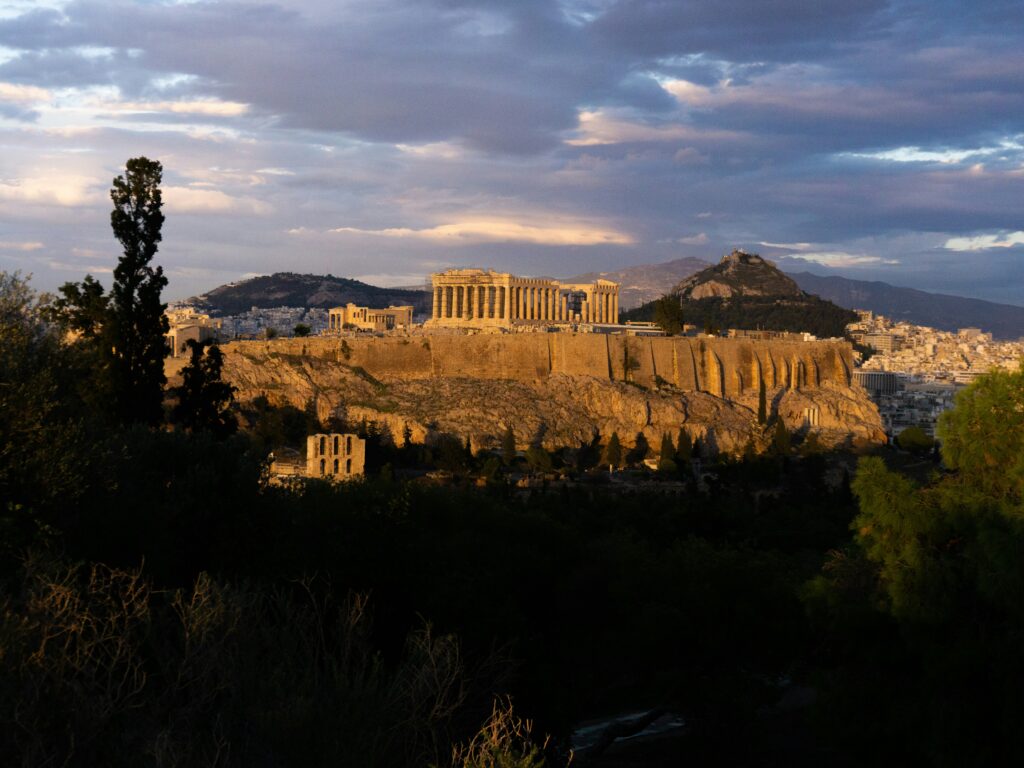
Greece’s soft power is expressed through culture, tourism, diplomacy, education, and the Greek diaspora.
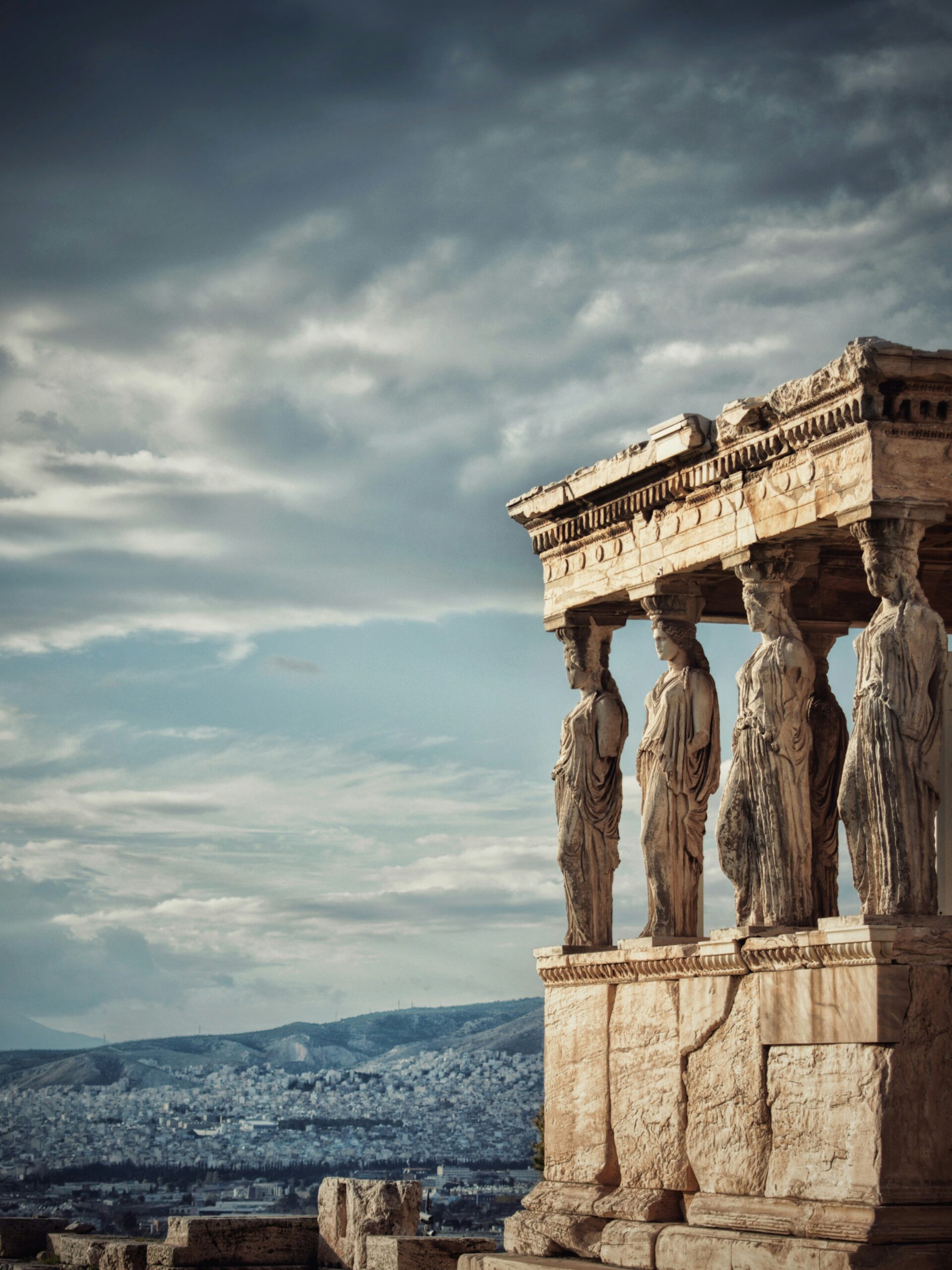
The country’s cultural wealth and historical identity give a distinct tone to its international image. Its geographic location is used to promote dialogue and cooperation, positioned between three continents. The large Greek diaspora acts as a global network of influence, strengthening Greece’s role within the international community. As a country without extensive hard power or a large territorial size, Greece uses its cultural heritage not only in the realm of culture but also as a tool of diplomatic success.
The country does more than simply take pride in its culture and ancient history. With the ultimate goal of enhancing the trust it inspires in other states, Greece uses its classical historical legacy to shape how it is perceived by others. The negotiations over the Parthenon Marbles are a prime example of Greece employing soft power: by highlighting its rich cultural heritage, the country strengthens its position and its arguments.
Geopolitical Position
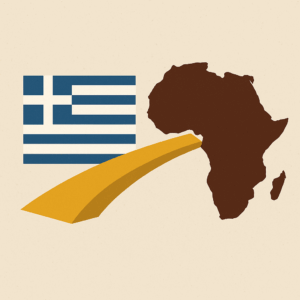
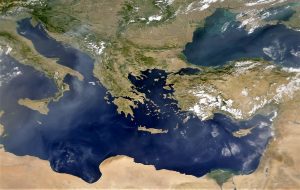
Greece’s geopolitical position is a fundamental factor of its soft power, as it makes the country a unique channel of communication between Europe, Asia, and Africa. Its strategic placement in the Eastern Mediterranean and the Balkans allows Greece to act as a stabilising factor in a sensitive region. Greece maintains strong ties with the West, a fact that clearly differentiates it from many countries in the East and grants it special prestige as a reliable partner and defender of European values.
International Organisations
Greece’s participation in the European Union, NATO, and other international organisations further enhances its global image, presenting it as a bridge of dialogue and cooperation between different geopolitical spaces. Additionally, Greek soft power is bolstered by the country’s current role as a non-permanent member of the United Nations Security Council.
Conclusion
After more than a decade of deep economic crisis, Greece continues to search for its place within a rapidly changing international environment. The wounds of the crisis were not only economic; they also affected how others perceived the country. Today, however, Greece has the opportunity to reshape its image. Soft power can serve as the vehicle for this renewal.
In this regard, the role of the state is crucial. The government must place the management of Greece’s external image at the centre of its policies. Invoking the cultural past is not enough. Systematic investment is needed in initiatives that highlight the country’s modern identity. Cultural diplomacy, the strengthening of academic mobility, and support for the diaspora can all play a decisive role.
Undeniably, foreign policy cannot rely solely on soft power. What is needed is a balance: hard power provides security, while soft power offers prestige. Greece requires a holistic strategy for its international presence.
Ultimately, Greece must retell its story to the world and not as the country of economic crisis and excessive debt, but as a nation of creativity, culture, dialogue, and stability.
Sources
What Is Soft Power? | CFR Education
coercion – Αγγλοελληνικό Λεξικό WordReference.com
Ancient Greek Heritage Diplomacy As A Means Of Soft Power – The Yale Review Of International Studies
Global Soft Power Index: Greece Enjoys Moderate Boost | Press Release | Brand Finance
Ino Afentouli on Greek Public Diplomacy – ΙΔΙΣ
Photo by Theo Topolevsky on Unsplash